“Your wardrobe is more than just clothing; it’s a subtle form of communication,” says Sue Yerou, a high-touch style strategist for professionals in San Francisco. Sue doesn’t just dress people; she helps position them, with an instinct for understanding how personal style influences perception.
“How you show up shapes how you’re perceived,” she says. “I help people align their presence with where they’re going.”
Your style speaks before you do
According to Sue, when we meet someone for the first time — at a new job, an interview, a date or a party — we begin forming impressions within seconds. Clothes, hair, shoes, jewelry and the way we put everything together are already communicating something about us before we say a word. Sue recalls seeing a defense attorney appear in a San Francisco courtroom wearing what looked like silk pajamas. The attorney’s wardrobe choice immediately caught Sue’s attention and, before the attorney had even spoken, influenced her perception of the attorney’s professionalism. “Our physical appearance speaks volumes before we have the chance to open our mouths,” she explains. “I want to help individuals outwardly show who they are in alignment with their authentic self.”
People frequently ask friends for opinions about what they should wear. But while friends may be well-meaning, Sue suggests that they often lack the context and objectivity needed to give useful advice.
From playing dress-up to professional stylist, Sue’s fascination with clothes began as a child. One particularly memorable creation was a patchwork dress with the same silhouette as her bedroom lampshade, which she wore as her hat. Rather than stopping her from going outside, her mother took a photograph and let her wear it. Sue remains grateful for that freedom to experiment and express herself. Her interest became more serious in high school, when she attended New York’s Fashion Institute of Technology every Saturday for two years.
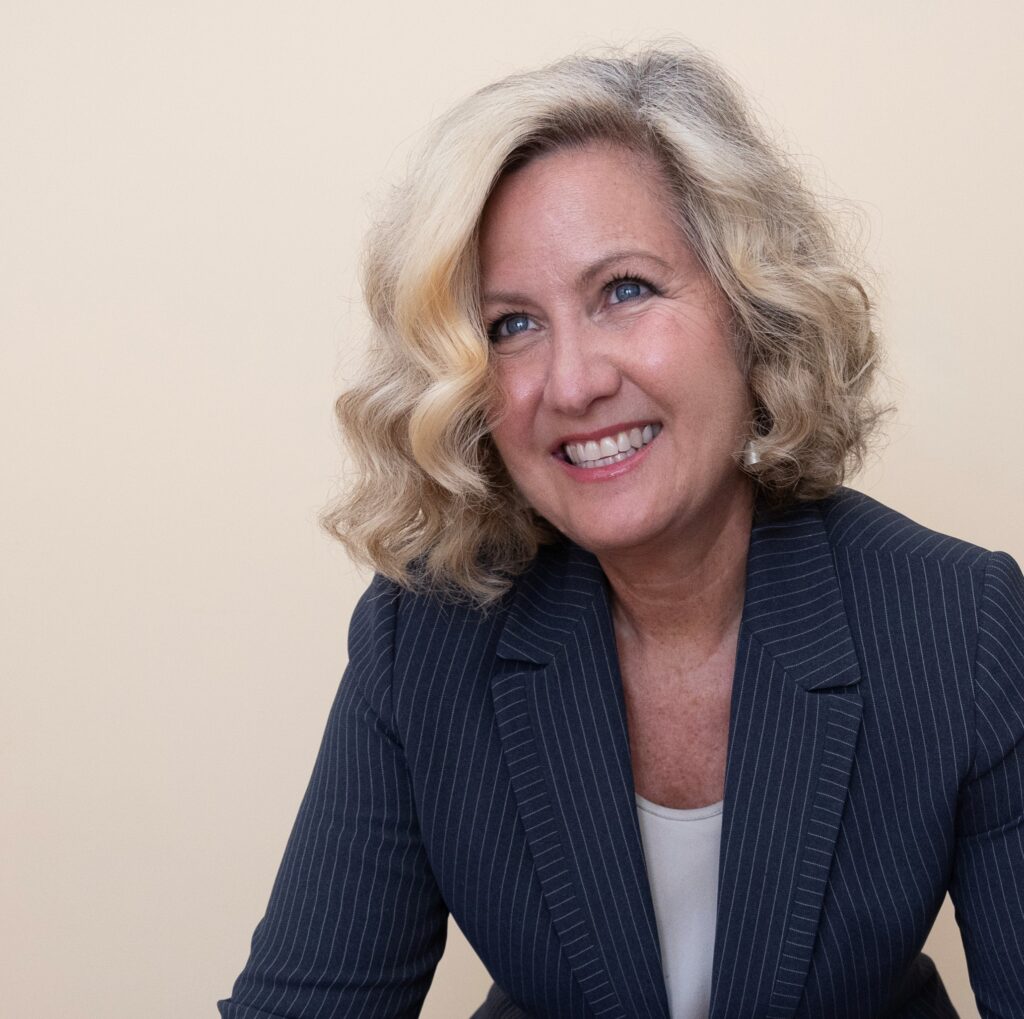
“I always knew I would leverage my artistic talents,” she says. Her first job was with Avon Inc. whose headquarters were on 57th Street and Fifth Avenue in New York. Still only 18 or 19, she remembers discovering just how difficult it could be to figure out how to dress appropriately for her corporate job while also still attending University. She was living in two separate worlds and navigating her personal style. In 2010, Sue moved to San Francisco and began offering professional styling services, initially through Groupon and Amazon Local. Within two years, her client base was growing steadily. “There is a huge demand for wardrobe, purge and shopping services here,” she says.
Today, Sue works one-to-one with clients while also bringing her approach to the stage, speaking at events and leading interactive workshops on style, presence and visual communication.
Buying less and buying better
One reason personal styling is increasingly relevant is simply lack of time. Busy professionals may have the resources to buy clothes but little time to work out what actually suits them. The result can be a wardrobe full of impulse purchases. Perhaps it was a beautiful color that caught your eye in a store, but once home, you had nothing to wear with it. Maybe you bought something on vacation that made sense in a tropical climate but not back home. Or an irresistible sale price persuaded you to buy something that hasn’t left the wardrobe since. A bargain that is never worn isn’t really a bargain.
This is where Sue believes a stylist can make a difference, not by encouraging clients to spend more, but by helping them make better decisions. Her clients often come to her during periods of transition: a new job, a promotion, marriage, pregnancy, weight loss or a milestone birthday. These moments can change how people see themselves — and how they want to be seen. One client changing careers enjoyed being encouraged beyond her usual comfort zone. Another gained confidence by discovering combinations within her existing wardrobe that she would never have considered herself.
Sue starts with what the client already owns. Together they assess what works, what doesn’t and what might simply need to be worn differently. Rather than immediately replacing clothes, she looks for ways of creating new combinations and adapting existing pieces. Waste is something she particularly dislikes. Clothes that no longer work can be passed to friends, resold, donated or recycled rather than ending up in landfill. She has also organized clothing-swap parties, turning the wardrobe clear-out into a social event where friends and neighbors exchange clothes and discover new ways to wear what they already own.
The San Francisco challenge
San Francisco presents its own particular styling challenge. Compared with New York, Los Angeles, Miami, Chicago or Dallas, the city has an unusually casual culture, influenced heavily by the technology industry and the climate. Many technology professionals spend their days indoors, working at computers on campuses that can feel more like universities than traditional corporate offices. When companies provide meals, gyms and even laundry services, there is little practical incentive to dress formally. The pandemic accelerated that informality as working from home blurred the boundaries between professional clothing and leisurewear.
But casual should not mean careless. Even on Zoom, she argues, appearance remains part of professional communication. At the same time, San Francisco offers plenty of opportunities for people interested in developing their own style. Neighborhood shopping areas such as Hayes Valley, Fillmore Street and Valencia Street combine independent stores with cafés and restaurants, while secondhand shopping has become increasingly important, particularly among younger consumers. Vintage shops, consignment stores, resale apps and pop-ups are also helping people rethink the assumption that personal style requires constantly buying new clothes.
Becoming the best version of yourself
For Sue, personal styling is increasingly comparable to other forms of coaching. We hire coaches to improve our careers, leadership skills, fitness and personal development. Why not seek expertise in how we present ourselves? Her work is increasingly crossing into the corporate and professional world. She collaborates with executive coaches, participates in speaking engagements, and has partnered with a bespoke-suit specialist serving both men and women. Success, however, is ultimately measured by the impact she has on individual clients.
“It is important to have an open mind going into a styling session to get the most from it,” she says. “If I cannot see a way of contributing, I will tell you.”
San Francisco may never dress like New York, nor does she think it should. What Sue wants is for people to become more intentional about personal expression. “I want people to think differently about their wardrobes and be willing to take a few risks,” she says. “I want them to become more aware of how they’re showing up, what their appearance is communicating and whether it reflects who they are today. When there’s alignment between how you see yourself and how you present yourself, you show up with greater confidence and intention.”
Sue concludes that good style isn’t about spending more: “It’s about helping you save money and being more thoughtful about your clothing choices.”
Watch the interview : Declutter your chaos